

Paper Labels
Paper is a versatile label material that offers excellent print quality, broad application flexibility, and a more traditional tactile appearance than film materials.
A strong choice for products used in dry, controlled environments where extreme moisture resistance and durability aren’t required.
Paper Labels At a Glance:
Best for:
Food packaging, retail products, candles, jars, dry goods
Appearance:
Smooth or textured paper, depending on stock
Key Benefits:
Classic, upscale aesthetic
Ideal For:
Premium products where traditional, quietly luxe branding is the goal
Not Ideal For:
Products repeatedly encountering moisture or where durability is essential
What Paper Labels?
Paper labels are pressure-sensitive labels made with a paper facestock rather than a synthetic film such as BOPP. They’re widely used across food, beverage, retail, household, and specialty-product applications because they offer excellent printability, versatility, and an approachable, traditional appearance.
Paper is especially well suited to products kept in dry, temperature-controlled environments where the label won’t be routinely exposed to water, oils, abrasion, or demanding handling conditions.
Why Choose Paper Labels? Hover To Learn More.
Excellent Print Quality
Paper provides a reliable printing surface for sharp text, detailed graphics, barcodes, and branded designs.
Classic Appearance
Its natural look and feel can give packaging a warmer, more tactile character than synthetic film.
Versatile
Paper works well across a broad range of products, containers, shapes, and everyday labeling applications.
Cost Effective
For applications that don’t require the added durability of a film material, paper can offer an economical labeling solution.
Common Applications for Paper Labels
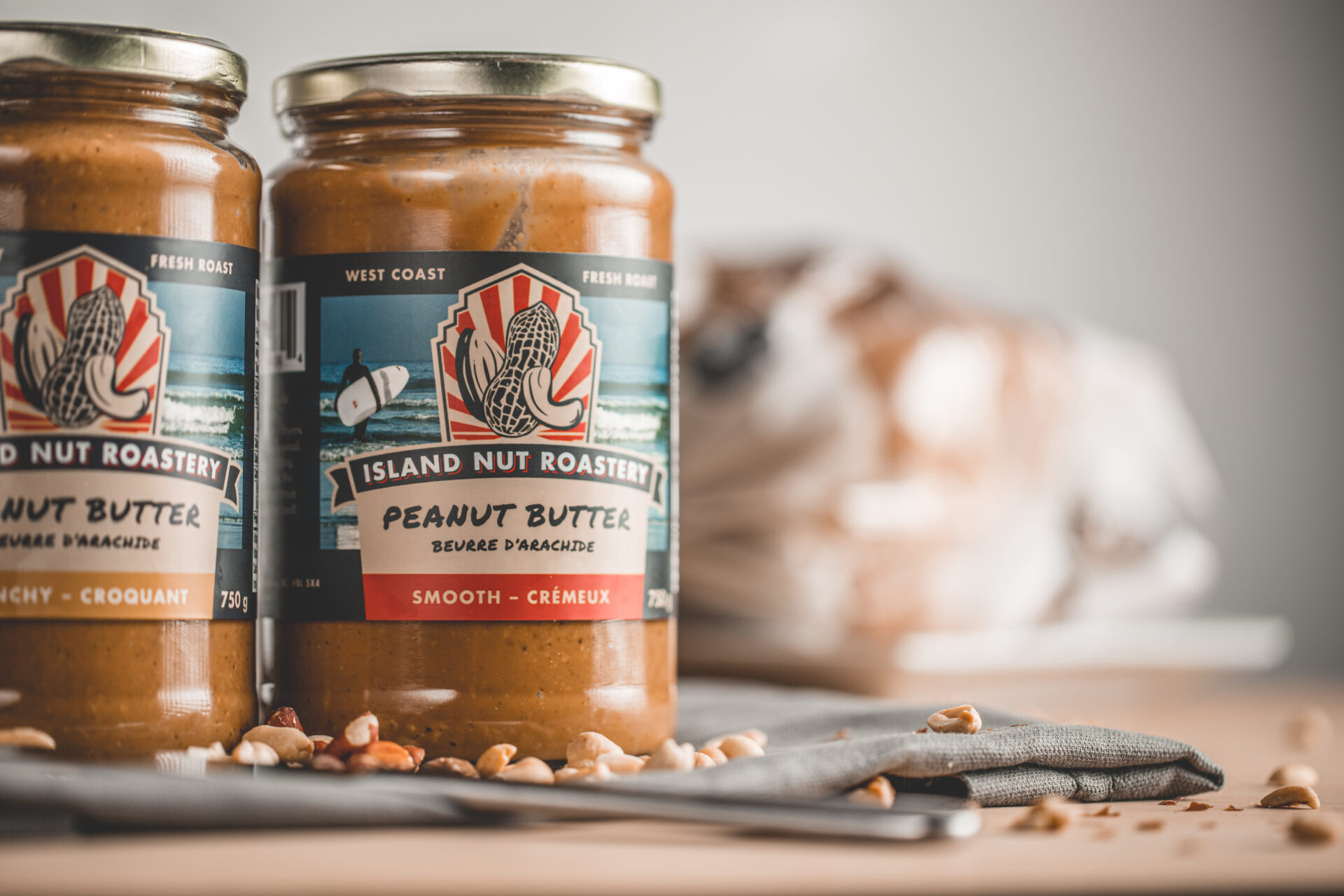
Specialty Food Labels |
Well suited to jars, boxes, bags, and other products stored in relatively dry environments. |

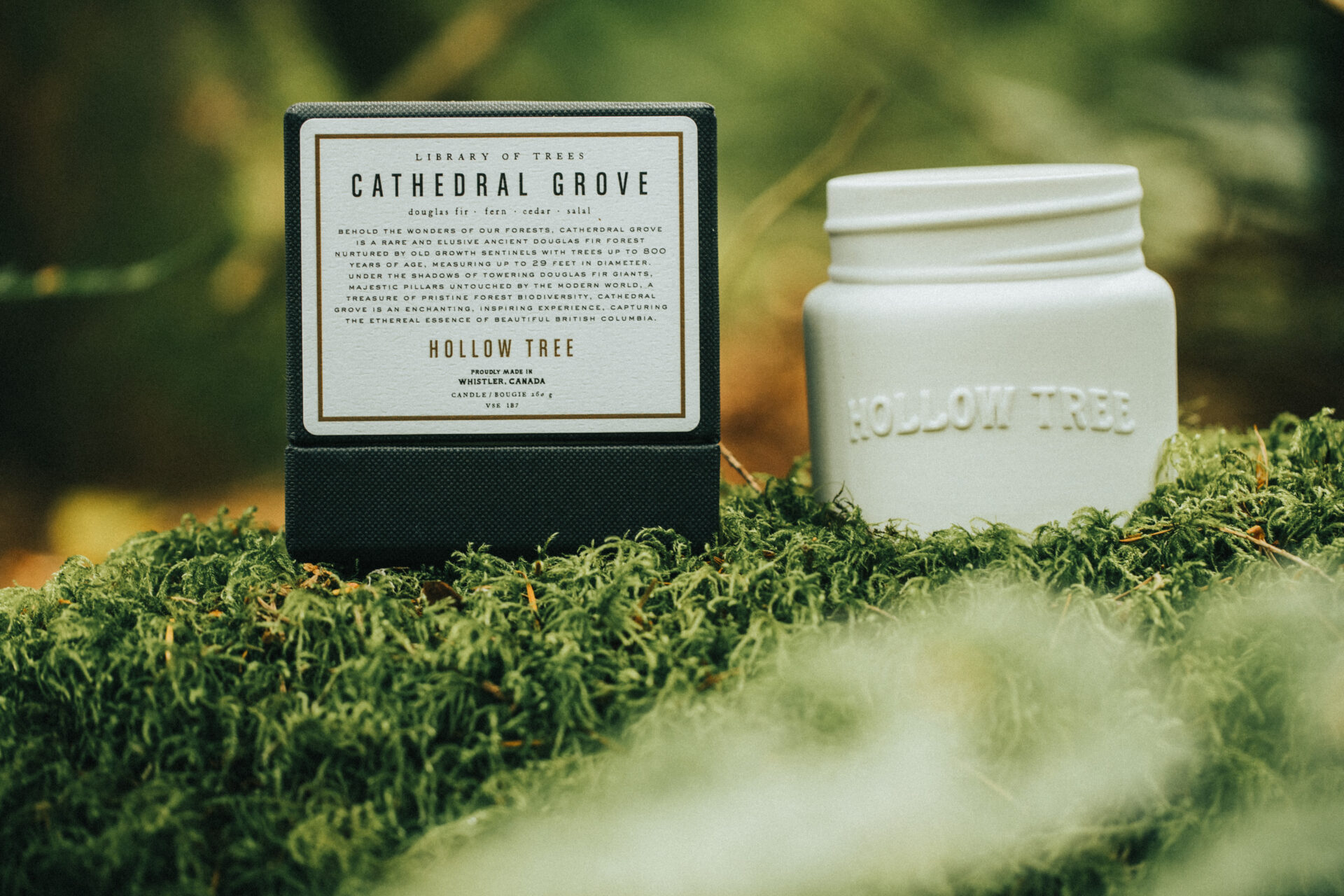
Candles |
A popular choice for candle jars where appearance and print quality are priorities. |
Retail Products |
Provides attractive, economical branding for a wide variety of consumer goods. |
Dry Goods |
Ideal for packaged products that aren’t routinely exposed to moisture, oils, or refrigeration. |
Wine & Specialty Beverages |
Paper provides the tactile, traditional appearance of premium packaging. |
Boutique & Artisan Products |
A natural fit for products where texture and warmth support the brand aesthetic. |
Clear BOPP vs White BOPP
Are Paper Labels Right For You?
Let’s Find Out! Choose Paper Labels If:
Your product stays primarily dry
You want a classic or tactile label appearance
You need excellent print quality
Extreme durability isn't necessary
You want an economical material for everyday applications
Consider another material if…
Your labels need strong tear resistance
Your packaging encounters oils or frequent abrasion
Your product requires demanding refrigerated or outdoor performance
Paper Labels Pair Well With:
Permanent
Adhesives
For reliable everyday labeling
on common packaging surfaces.
High-Tack
Adhesives
For surfaces that require
extra tack and holding power.
Rectangle
Labels
For bottles, jars,
boxes and containers.
Clear
Lamination
For additional
scuff resistance.
Paper Labels Frequently Asked Questions
Are paper labels waterproof?
Standard paper labels are not waterproof.
They can tolerate ordinary handling, but repeated exposure to water, condensation, or significant moisture can cause the paper to absorb moisture, wrinkle, weaken, or deteriorate. For wet environments, a film material such as BOPP is generally a better choice.
However—for light exposure to moisture, a lamination layer can be added to increase water-resistance.
What's the difference between paper and BOPP labels?
Paper provides a more traditional, tactile appearance and works well for many dry indoor applications.
BOPP is a synthetic film that offers significantly greater resistance to water, oils, tearing, and demanding handling conditions.
Can paper labels be used on food packaging?
Yes.
Paper labels are commonly used on food packaging, particularly jars, boxes, bags, dry goods, and other products where the label isn’t routinely exposed to moisture or oils.
Can paper labels be refrigerated?
Yes, in general—but it depends on the application.
Refrigeration can introduce condensation and temperature changes that standard paper materials may not tolerate as well as film. For products that spend significant time refrigerated or encounter condensation, the label material and adhesive should be selected specifically for those conditions.
Are paper labels recyclable?
Yes, with some considerations.
Clear BOPP’s durability and moisture resistance can make it suitable for some outdoor applications. Long-term performance depends on factors such as adhesive choice, exposure conditions, inks, and any protective finishing.
Are paper labels recyclable?
They can be, but not always.
Whether paper labels can be recycled depends on a number of things, including the container, label, adhesive, coatings, and requirements of the local recycling stream. A paper facestock alone does not necessarily make the finished package recyclable.
If you’d like to ensure your labels can be recycled, reach out to our team here and we’ll walk through the components together to find a sustainable solution.
Can paper labels have a premium appearance?
Absolutely.
Paper can be particularly effective when a brand wants a tactile, traditional, craft, or specialty appearance rather than the smooth finish associated with film materials.
Related Resources
Label Materials Guide |
Label Adhesives Guide |

Label Sizes & Shapes Guide |

White BOPP Labels |

Clear BOPP |

Waterproof Labels |

Permanent Adhesives |